Nicaragua
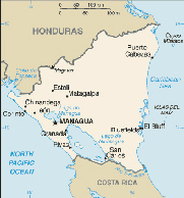
Nicaragua is located in Central America between Honduras to the North and Costa Rica to the South. Its 5,142,098 people live in 15 Departments, 2 Autonomous Regions divided into 153 municipalities. Nicaragua is ranked 112 out of 177 on the United Nations Development Programme’s Human Development Index.
Gross Domestic Product (GDP) per capita at Purchasing Power Parity (PPP) is estimated to be US$ 2,900. The lowest monthly wages in different areas of the economy vary from Cordobas 869.40 (US$ 48.3) for the agricultural sector to Cordobas 2,018.40 (US$ 112) for workers in construction and financial and insurance companies. The basic consumer basket of goods is priced at Cordobas 3,046.37 (US$ 169).
The current urban population is estimated to be 58.3%, which will increase to 60% by the year 2015. A national survey in 2001 estimated that 45.8% of the total population lived in poverty and 15.1% in extreme poverty. Poverty in Nicaragua is mainly in rural areas where it is five times higher than in urban areas. It should be noted that the Atlantic coast of Nicaragua and its two autonomous regions are the most affected by poverty and lack of access to the rest of the country. The rate of illiteracy in 2005 was 20.5% in those aged above 10 years of age. Rural illiteracy is 3 times higher than in urban areas. Life expectancy at birth in Nicaragua is 67 years for men and 71 years for women.
Gross Domestic Product (GDP) per capita at Purchasing Power Parity (PPP) is estimated to be US$ 2,900. The lowest monthly wages in different areas of the economy vary from Cordobas 869.40 (US$ 48.3) for the agricultural sector to Cordobas 2,018.40 (US$ 112) for workers in construction and financial and insurance companies. The basic consumer basket of goods is priced at Cordobas 3,046.37 (US$ 169).
The current urban population is estimated to be 58.3%, which will increase to 60% by the year 2015. A national survey in 2001 estimated that 45.8% of the total population lived in poverty and 15.1% in extreme poverty. Poverty in Nicaragua is mainly in rural areas where it is five times higher than in urban areas. It should be noted that the Atlantic coast of Nicaragua and its two autonomous regions are the most affected by poverty and lack of access to the rest of the country. The rate of illiteracy in 2005 was 20.5% in those aged above 10 years of age. Rural illiteracy is 3 times higher than in urban areas. Life expectancy at birth in Nicaragua is 67 years for men and 71 years for women.